

Taking Grade 12 in Canada and Entering University in Spain: The UNED PCE Pathway
Para muchas familias españolas, la idea de que su hijo curse 2.º de Bachillerato en Canadá despierta un dilema inevitable: Existe la falsa creencia
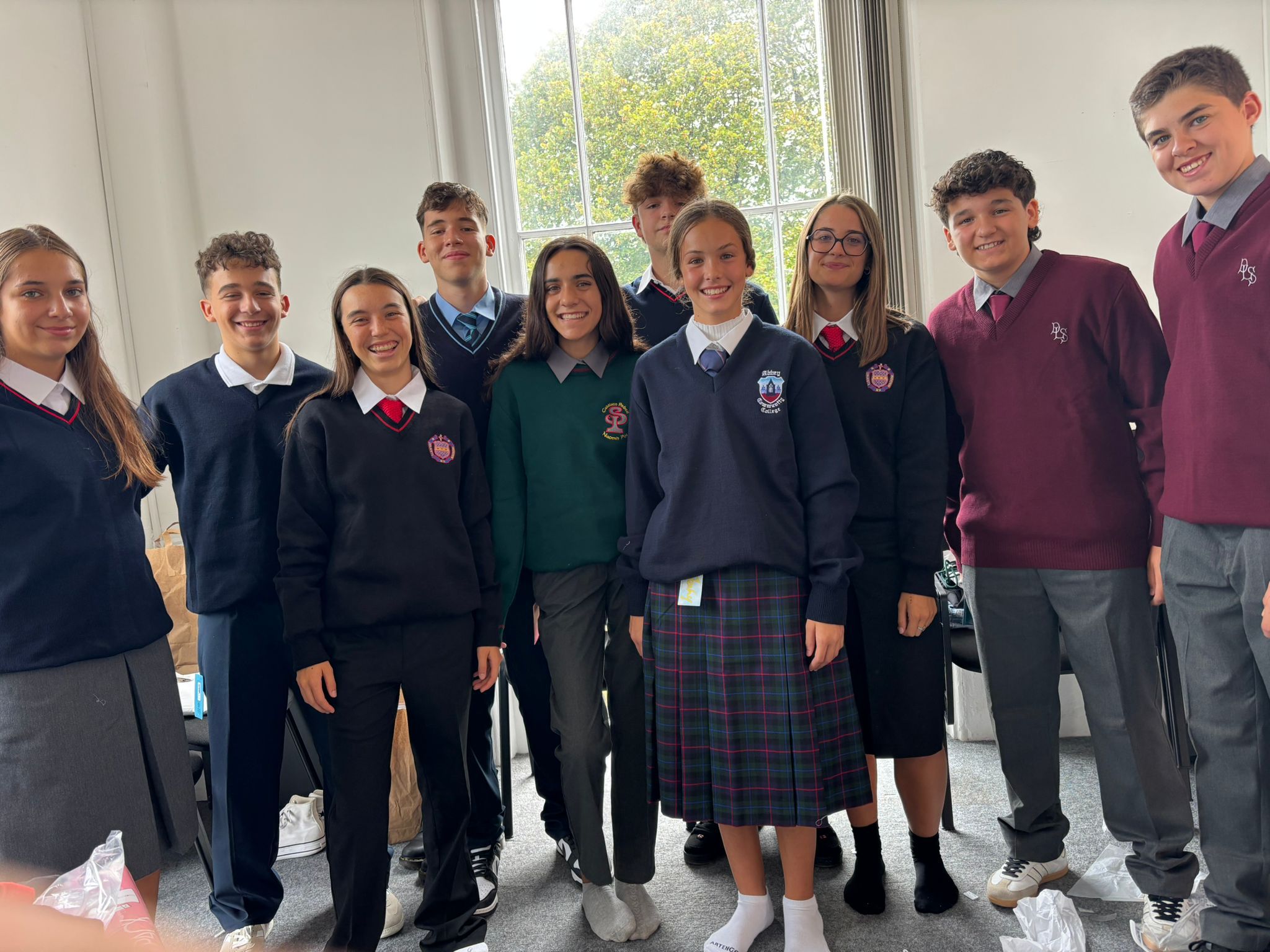
Some information is easy to find: visas, paperwork, holiday schedules, and medical insurance. But there is something few guides explain well, which is actually what matters most when your child leaves for a year in Ireland: What is a typical day in an Irish school really like, in detail?
This is what a day in their new life looks like.
The day starts earlier than they are used to. Classes kick off between 8:30 and 9:00, so you have to leave the house with plenty of time. Most students walk or take the school bus; while that journey can feel a bit daunting at first, it quickly becomes the first opportunity of the day to practice English with classmates.
And before heading out, there’s a ritual that doesn't exist in Spain: the uniform. Every Irish school has its own, with its specific colors and crest. Shirts, trousers or skirts, and in some schools, even a blazer. It might seem strange at first, but students quickly appreciate it: nobody worries about what to wear, everyone looks the same, and it’s a silent way of belonging.
This is where one of the main differences with the Spanish system begins: in Ireland, it’s not the teacher who moves to the classroom, but the student who goes to the teacher. Each subject has its own space, and between classes, there’s a brief hum of movement as students head through the hallways. Lockers are always close by to drop off books from the previous period and pick up the ones for the next.
Classes last 50 minutes, with between 6 and 8 subjects a day. English and Maths are mandatory, but the rest vary: Geography, History, Science, Languages, Business, Drama, and even subjects that simply don't exist in Spanish schools, such as Creative Writing, Pre-engineering, Design, or Home Economics, which is a mix of cooking, household management, and independent living.
Class sizes range from 17 to 25 students. The atmosphere is more personal than what’s typical in Spain: teachers ask questions, listen, and joke around. You don't find that formal distance sometimes felt in other countries. Students participate, share ideas, and work in groups. When the sun comes out—which isn't every day—it’s not unusual for a teacher to decide to head outside and hold the class on the grass.
There is a break mid-morning. And here is something you should know in advance: the vast majority of Irish schools do not have a cafeteria. There's no 'menu of the day' or trays with first and second courses. Students bring their own food from home, a sandwich, a piece of fruit, or something their host family prepared that morning, or they buy something from the school canteen, if there is one.
It’s a very different custom, but one they adapt to quickly. Many Spanish students end up enjoying this informal break: they sit with their classmates, eat without rushing, and just talk. It’s during these breaks, even more than in class, where the first friendships are forged
There is a second, longer break for lunch. It’s the same setup: sandwich in hand, free time, and conversation. It’s the perfect time to organize lockers, catch up on some homework, or just hang out.
The school day ends between 3:30 and 4:00 PM. But for many students, the best part of the day is just beginning.
Irish schools have a very active extracurricular culture. One day a week is dedicated to sports, and students come in their sports gear or the school tracksuit. There’s a wide range of options: rugby, basketball, hockey, athletics, football, and even sports your child has probably never seen in person before.
For those who prefer other types of activities, schools also offer debating clubs, music groups, choir, orchestra, and science or environmental clubs.
At the end of the day, your child returns to their host family with something that isn't measured in books or grades: hours of real-life English, unexpected conversations, new friends, and the feeling that this place, so different at first, is slowly starting to feel like home.
That’s what happens in an Irish school on any given Tuesday. And it’s more than meets the eye.
This experience begins with a single small step: making the decision. You can schedule a completely free call to get expert advice and discover how to organize an unforgettable trip for your child. Our experts, with over 18 years of experience, will be able to guide you and answer any questions you may have.
At My Language Quest, we ensure that exchange trips are not just that, but an opportunity for growth and a lasting memory.
Your child is about to live an experience that will shape their life. Please tell us a bit more so we can advise you in the best possible way.
Para muchas familias españolas, la idea de que su hijo curse 2.º de Bachillerato en Canadá despierta un dilema inevitable: Existe la falsa creencia

Para estudiar un año de intercambio en Estados Unidos se presentan distintas opciones, lo que permite que la experiencia se ajuste lo máximo posible

Cuando una familia española empieza a informarse sobre un año escolar en Irlanda, una de las primeras dudas que surge es: «¿Podré elegir el