
The Most In-Demand School Districts in Ontario
Cuando las familias piensan en Ontario, piensan en ciudades modernas, comunidades inclusivas y un desarrollo sostenible constante. Sin embargo, esta provincia también cuenta con

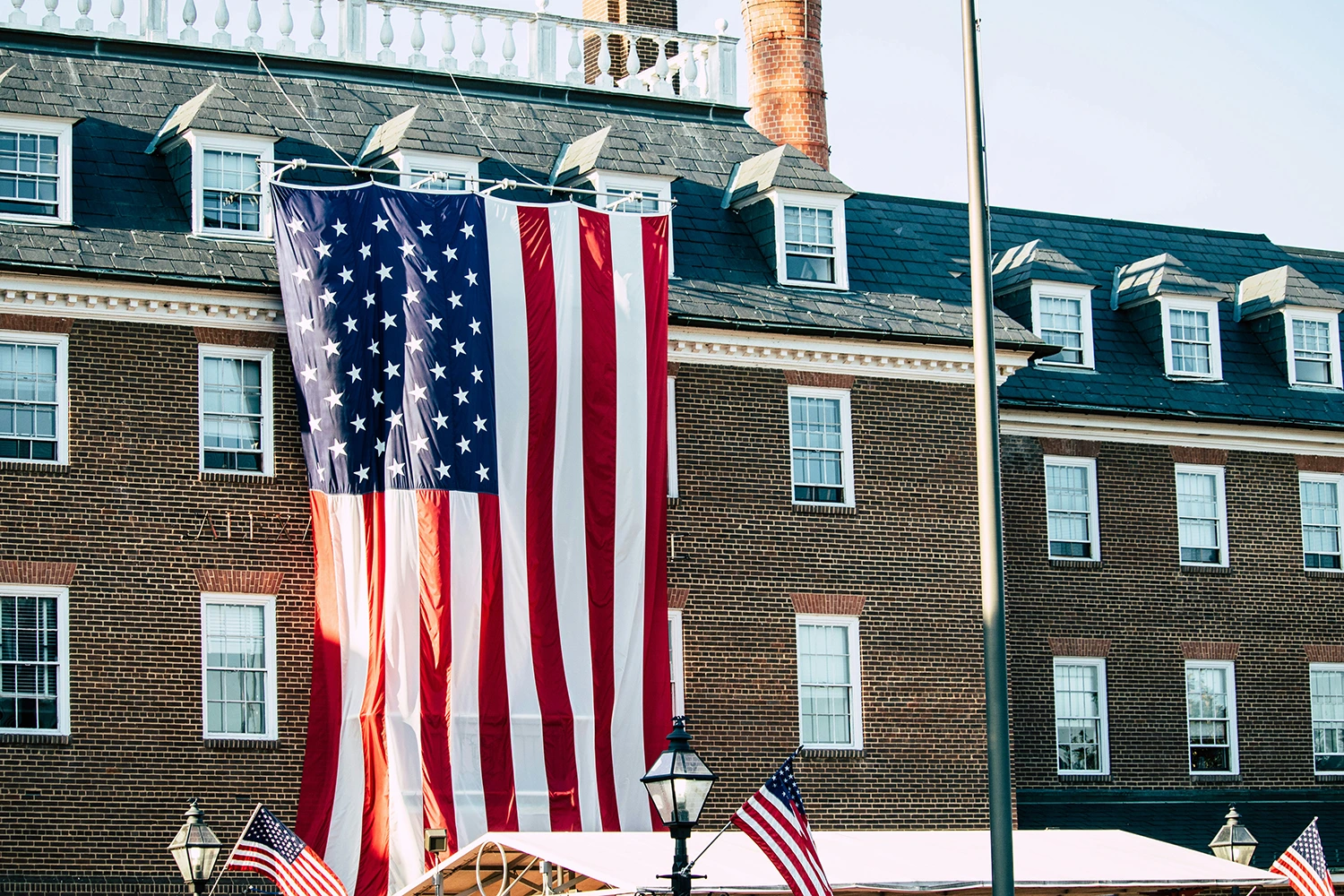
Studying a school year in the United States is on the minds of many Spanish students. This dream, fueled by popular culture through movies and TV shows, raises a fundamental question before taking the leap: How does high school work in the US? Like any other system, it has notable peculiarities in its organization and structure.
If you’re thinking about taking the leap with a J-1 or F-1 visa, understanding how its educational model works is the first step to success.
Below, from My Language Quest , we break down the most important differences so you’re not caught off guard.
The first major difference lies in how academic stages are divided. In Spain, secondary education is split into ESO and Bachillerato. In the United States, the equivalent stage is grouped into High School, which spans from 9th to 12th Grade.
For international students traveling between the ages of 15 and 18, the equivalencies are clear:
While moving from ESO to Bachillerato in Spain represents a sudden jump in difficulty and a formal change of stage, in the United States it is a continuous progression within the same school.
Perhaps the biggest culture shock for a Spanish student in an American classroom is the teaching and evaluation methodology.
The Spanish educational system has traditionally been more theoretical, with a heavy emphasis on final exams and rote learning, where a bad day on a test can define your grade for an entire term.
By contrast, the US system uses true continuous assessment: exams carry less weight, while active participation, projects, and daily work are valued much more. Classes are significantly more practical and dynamic.
Additionally, teachers are usually very approachable and provide constant support to students. Daily assignments, essays, and teamwork contribute decisive points toward the final grade.
In Spain, we are used to the traditional 0 to 10 scale, where 5 is the passing grade. In the United States, performance is graded using letters that determine the student’s overall average (GPA). GPA (Grade Point Average o nota media ponderada).
La equivalencia aproximada es la siguiente:
The US credit system requires students to maintain a solid GPA, not only to graduate, but also to participate in sports and qualify for college admissions.
The Spanish curriculum is fairly rigid. Especially in Bachillerato, students must choose a specific track (Sciences, Humanities and Social Sciences, Arts, General), and the set of subjects is largely predetermined.
In high school, students have the flexibility to design their own schedules. While there are mandatory core subjects (Math, Science, English/Literature, History), there is also a wide range of electives rarely found in a Spanish school, such as Photography, Drama, Robotics, School Journalism, Marching/Concert Band, or Fine Arts.
Notice for exchange students: If you plan to validate your school year upon returning to Spain, you must ensure you enroll in a minimum of four or five strictly academic subjects (such as Physics, Literature, or History) and avoid filling your schedule entirely with practical or recreational electives.
In Spain, when the school day ends, students usually head home. If someone plays soccer, basketball, or plays an instrument, they typically do so at a local community club, a private academy, or a conservatory.
This is very different in the US, where high school is the hub of teenagers' social lives. Extracurricular activities are fully integrated into the school itself. Joining sports teams (American football, basketball, track and field, cheerleading) or themed clubs is the best way to integrate, experience authentic "school spirit," and achieve full cultural immersion.
Making this comparison doesn't mean one system is superior to the other; rather, it’s helpful to understand these unique features when planning your stay.
If you're considering spending a school year in the United States and have questions about starting the application process, at My Language Quest we are here to help. Our team has years of experience managing these programs and guiding families through every stage of the process. Book a free, no-obligation consultation call through this link or fill out the form below . Our representatives will reach out to you as soon as possible!
Cuando las familias piensan en Ontario, piensan en ciudades modernas, comunidades inclusivas y un desarrollo sostenible constante. Sin embargo, esta provincia también cuenta con

Estudiar un año escolar en Estados Unidos está en la mente de muchos estudiantes españoles. Este sueño, impulsado por la cultura popular a través

Estados Unidos es actualmente uno de los destinos más populares para un año escolar en el extranjero. La variedad geográfica y cultural del país,