

Six frequently asked questions about the J1 and F1 program
Ya has elegido el destino: Estados Unidos. Sin embargo, todavía queda una decisión importante por definir para saber qué tipo de experiencia vas a
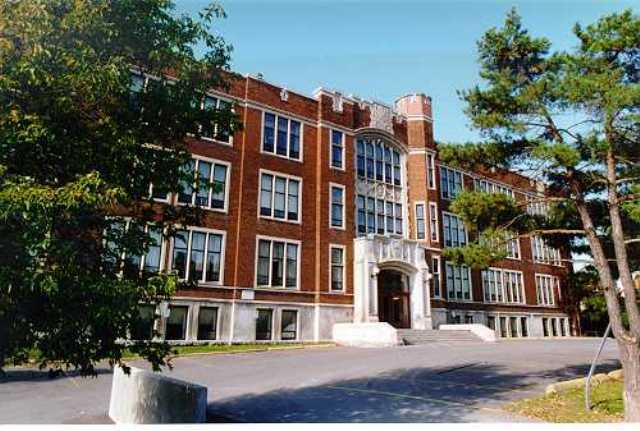
Si estás pensando en estudiar en Canadá o enviar a tu hijo a estudiar allí, probablemente hayas empezado buscando por ciudad: Toronto, Vancouver, Calgary. etc.. Este es el error más común. En Canadá, la unidad que realmente define tu experiencia educativa no es la ciudad, sino el distrito escolar.
Let’s break down this system to understand how it works:
In Canada, each province and territory administers its own education system through a ministry of education, and within each province, the territory is divided into school districts (also called school boards or school districts).
A school district is an administrative entity that groups together a set of public schools within a specific geographic area. It is responsible for hiring teachers, establishing programs, setting fees for international students, and defining the resources available in each school under its jurisdiction.
Canada has 10 provinces and 3 territories, and each one has its own approach.
Here is the key that many families don’t know: two schools in the same city can belong to different districts, with different costs, different programs, and completely different levels of experience with international students.
In British Columbia, for example, tuition revenue from international students exceeded 250 million dollars in a single school school year. However, this money is not distributed equally: the vast majority is concentrated in just 10 districts within the Vancouver metropolitan area and Greater Victoria. Many other districts in the province do not have any international students and receive no additional funding.
This means that a district with a long track record of hosting international students will have more language support programs, dedicated coordinators, pre-verified homestay families, and staff who are well-accustomed to handling visas and paperwork. Another district, in the same city or the town next door, may have none of that.
The district also determines the cost. Tuition fees for international students vary in their annual amount depending on the province and the district.
Not all districts are equal in terms of price or capacity. These are the main variables that set them apart:
Experience with international students: Districts with established programs, such as the Toronto District School Board (TDSB) or the Peel District School Board in Ontario, or the West Vancouver School District in BC, have decades of experience welcoming students from all over the world. They have specialized teams in ESL (English as a Second Language), academic advisors, and homestay coordinators.
Number of available spots: The most popular districts among international families often have waitlists. Spots are limited. Planning at least 6 to 12 months in advance is the norm, not the exception.
Accommodation support: Many public districts include an internally managed homestay program, featuring vetted families and assigned coordinators. The quality of this service varies significantly across districts.
👉Check out our Detailed Guide and services for a School Year in Canada here
The distinction between public and private schools in Canada works differently than what many expect, especially for international students.
For Canadian residents, public school is free. For international students, however, public schools do charge tuition. As mentioned, the cost varies by district.
In return, students enter a truly multicultural environment with local and international classmates from diverse backgrounds, and follow the official provincial curriculum, which is fully recognized for admission to Canadian universities.
The main limitation of public schools is class size, which can be larger than in the private sector, and the fact that the level of individualized attention depends heavily on the specific district and school.
Private schools in Canada operate independently of the public system and are not subject to the same funding or curriculum restrictions, although accredited schools must still follow the provincial curriculum and issue the same recognized diploma.
In contrast, private schools offer smaller class sizes (sometimes ranging from 8 to 15 students), more personalized attention, frequent access to IB or AP programs, and, in many cases, teams dedicated exclusively to university counseling and international student support. Schools like Columbia International College in Hamilton or Bodwell High Schoolin Vancouver are examples of private institutions with a strong reputation among international families.
An important note: for international students, the cost difference between a public school in a top-tier district and a mid-level private school may not be as wide as it seems. The deciding factor is usually what type of experience and support the family is looking for.
Before choosing a city, research which school districts operate in that area, how many years they have been welcoming international students, what programs they offer, and what their admission process is like. This upfront research can make the difference between an exceptional educational experience and a costly disappointment.
If you are in the middle of this process and need personalized guidance to choose the district and school that best fit your situation, at My Language Quest, we have the solution: A free, no-obligation consultation call. You can book your call right here, and our experts will guide you in choosing the ideal district for your child's school year.
Your child is about to live an experience that will shape their life. Please tell us a bit more so we can advise you in the best possible way.
Ya has elegido el destino: Estados Unidos. Sin embargo, todavía queda una decisión importante por definir para saber qué tipo de experiencia vas a

Cursar 1º de Bachillerato en el extranjero tiene muchas ventajas, pero existe la preocupación de si, al volver a España, se puede cursar con

Cursar 2.º en el extranjero es una opción posible para estudiantes que quieren terminar esta etapa viviendo una experiencia internacional. Sin embargo, al tratarse